
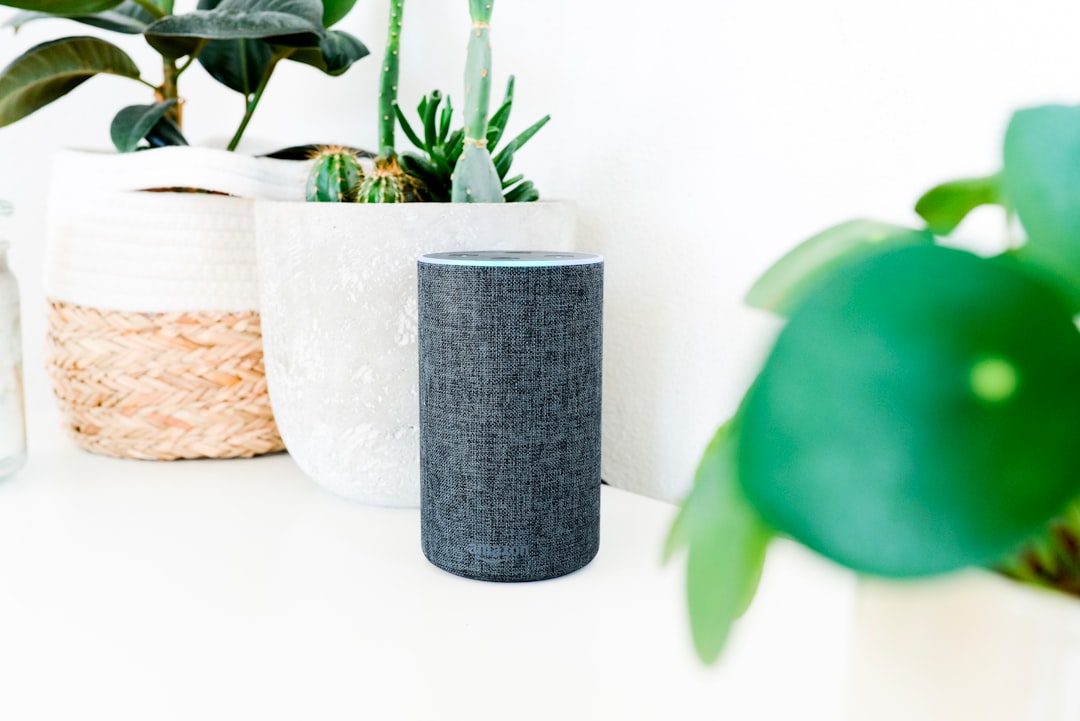
Smart Home Devices That Will Transform Your Living Space Effortlessly
In today’s fast-paced world, the integration of technology into our homes has become more than just a trend; it’s a necessity. Smart home devices are designed to enhance convenience, security, and energy efficiency, making our living spaces not only more comfortable but also more intelligent. However, many misconceptions surround these devices, leading to confusion and hesitation among potential users. This article aims to debunk common myths about smart home technology and highlight how these devices can truly transform your living space effortlessly.
Myth: Smart Home Devices Are Complicated to Use
Many people believe that smart home devices are overly complicated and require extensive technical knowledge to operate. This myth often stems from the perception that advanced technology is inherently difficult to understand. In reality, most smart home devices are designed with user-friendliness in mind, featuring intuitive interfaces and straightforward setup processes. For instance, devices like smart speakers and smart bulbs can be controlled through simple mobile apps, allowing users to manage their home environment with just a few taps on their smartphones.
Moreover, manufacturers are continuously improving user experience by providing clear instructions and customer support. Many devices come with voice control capabilities, enabling users to operate them hands-free. This ease of use makes smart home technology accessible to everyone, regardless of their tech-savviness. Embracing these devices can lead to a more streamlined and enjoyable living experience.
Truth: Smart Home Devices Enhance Security
One of the most significant advantages of smart home devices is their ability to enhance home security. Many people mistakenly believe that traditional security systems are sufficient for protecting their homes. However, smart devices such as security cameras, smart locks, and motion sensors offer advanced features that traditional systems often lack. For example, smart cameras can provide real-time video feeds to your smartphone, allowing you to monitor your home from anywhere in the world.
Additionally, smart locks can be programmed to allow access to trusted individuals while keeping intruders at bay. With features like remote locking and unlocking, you can ensure that your home remains secure even when you’re not there. By integrating these devices into your home, you can create a comprehensive security system that provides peace of mind and protection against potential threats.
Myth: Smart Home Devices Are Too Expensive
Another common misconception is that smart home devices are prohibitively expensive and only accessible to affluent consumers. While it’s true that some high-end devices come with a hefty price tag, there are plenty of affordable options available on the market. Many manufacturers offer budget-friendly alternatives that provide essential smart features without breaking the bank. For instance, smart plugs and basic smart bulbs can be purchased at a fraction of the cost of more complex systems.
Moreover, investing in smart home technology can lead to long-term savings. Devices that monitor energy usage can help reduce utility bills by optimizing energy consumption. Additionally, the increased security provided by smart devices can prevent costly thefts and damages. Therefore, while the initial investment may seem high, the potential savings and benefits can outweigh the costs in the long run.
Truth: Smart Home Devices Promote Energy Efficiency
Smart home devices are not only about convenience; they also play a crucial role in promoting energy efficiency. Many individuals believe that using multiple electronic devices will lead to higher energy consumption. However, smart technology is designed to help users monitor and reduce their energy usage effectively. For example, smart thermostats can learn your heating and cooling preferences and adjust settings accordingly, ensuring that energy is not wasted when you’re not home.
Additionally, smart lighting systems allow you to control the brightness and timing of your lights, reducing unnecessary energy expenditure. By utilizing these devices, homeowners can significantly lower their carbon footprint while enjoying a more comfortable living environment. The integration of smart technology into your home can lead to a more sustainable lifestyle, benefiting both your wallet and the planet.
Myth: Smart Home Devices Are Not Reliable
Some consumers worry that smart home devices may not be reliable, fearing that they could malfunction or fail to work when needed. This myth often arises from early iterations of smart technology that faced connectivity issues. However, advancements in technology have significantly improved the reliability of these devices. Most modern smart home products are designed to operate seamlessly, with robust connectivity options that ensure consistent performance.
Furthermore, many devices come with backup systems or fail-safes to prevent disruptions. For instance, smart security systems often have battery backups to ensure they remain operational during power outages. By choosing reputable brands and keeping devices updated, users can enjoy the benefits of smart technology without the fear of unreliability. Embracing smart home devices can lead to a more efficient and enjoyable living space.